

Maternal Health App Cameroon: How Digital Tools Can Reduce the Three Delays in Childbirth
Most maternal deaths are preventable. The World Health Organization says so plainly, and it also notes that the burden falls hardest on sub-Saharan Africa. What often decides the outcome is time: how long it takes to recognise a problem, to decide to get help and to receive the right care.
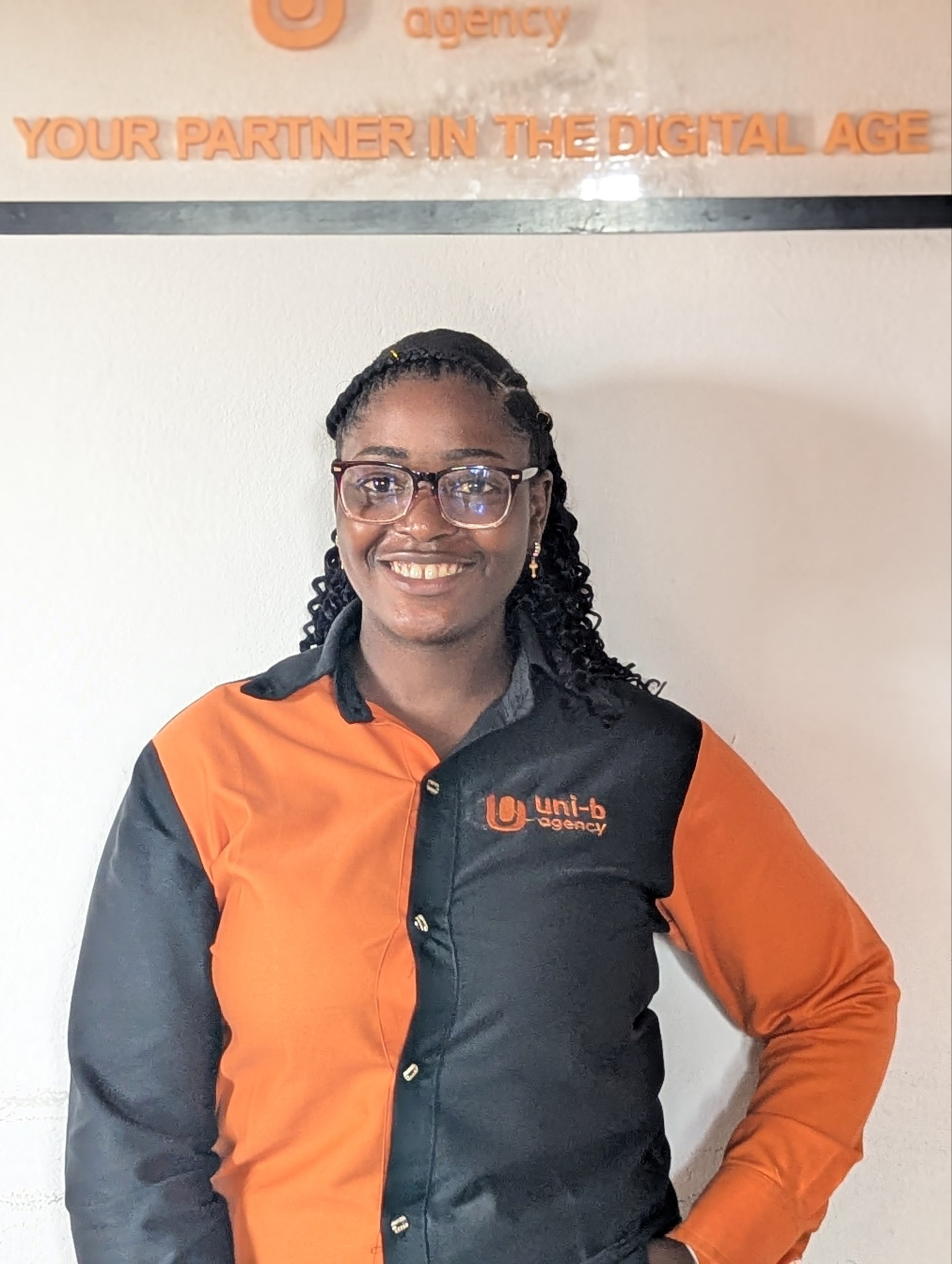
I am Akwo Trinity, a midwife-trained founder from Cameroon. In this post I explain the three delays in childbirth and show where a maternal health app in Cameroon can help mothers act sooner.
What Are the Three Delays in Childbirth?
The three delays model, first described by researchers Thaddeus and Maine in a widely cited 1994 paper, is still used worldwide to explain why mothers die from complications that can be treated. Each delay is a place where a life can be lost.
- Delay in deciding to seek care. A mother or her family does not recognise a danger sign, or does not know it is serious.
- Delay in reaching a facility. Distance, cost and transport slow her down.
- Delay in receiving care at the facility. Shortages of staff, supplies or equipment hold up treatment.
My BSc thesis at Nkwen Baptist Hospital looked at how digital technology can reduce the first two delays by bringing information and communication closer to mothers. That question became the starting point for everything I now do in digital health in Cameroon.
Where Digital Tools Can Help
The WHO’s guideline on digital health interventions recognises that well-designed digital tools can strengthen health systems, especially when they support, rather than replace, health workers. For mothers, three areas matter most.
Recognising Pregnancy Danger Signs
Heavy bleeding, severe headache, blurred vision, convulsions, severe abdominal pain, high fever, swelling of the face and hands, and reduced baby movement are warning signs that need urgent attention. An app can explain these in plain language and help a mother decide what to do next. That tackles the first delay directly, at the moment it matters.
Staying on Track with Antenatal Care
The WHO’s antenatal care recommendations stress that regular, quality contact with health providers makes pregnancy safer. An antenatal care app can send reminders and explain what each visit is for, so mothers do not skip appointments because they did not understand why they mattered.
Connecting Mothers to Support
Many mothers have questions they are afraid to ask, either at the clinic or in front of family. Anonymous community spaces let them ask without fear of judgement, and often they find that other mothers have the same worries.
What I Built: Mommity
Mommity is a maternal and child health mobile app that grew out of this research. It includes:
- An AI danger-sign checker that works offline, which matters in places where mobile data is expensive or the network drops.
- An antenatal care companion.
- An anonymous community where members use pseudonyms.
In four months it directly reached 28 mothers and grew a community of over 100 members. Those are early numbers, and I share them honestly: this is a start, not a finish line. If you want to read how I moved from the ward into building this, see my post on moving from nursing into health tech and follow my work on LinkedIn.
What Technology Cannot Do
I want to be clear about the limits. An app is a bridge to care, not a substitute for it. It cannot fix a shortage of staff or equipment, which is the third delay, and it should never replace a midwife, doctor or hospital.
If you are pregnant and notice any danger sign, go to a health facility immediately. Do not wait for an app, a message or a reply from a community group.
The Way Forward for Maternal Health in Cameroon
Reducing maternal deaths in Cameroon will take better facilities, trained health workers and community trust. Well-designed, offline-friendly digital tools can help mothers act sooner, and every hour saved can change an outcome.
That is why I believe reducing maternal mortality in Africa needs clinicians in the room when technology is built. Those of us who have seen a mother arrive too late know exactly which delay to fight first.
If you are a health professional, a developer or a partner who cares about safer pregnancies, I would love to hear from you. Connect with me on LinkedIn or visit akwotrinity.com.